West India Quay man with van access and parking tips
Posted on 30/06/2026
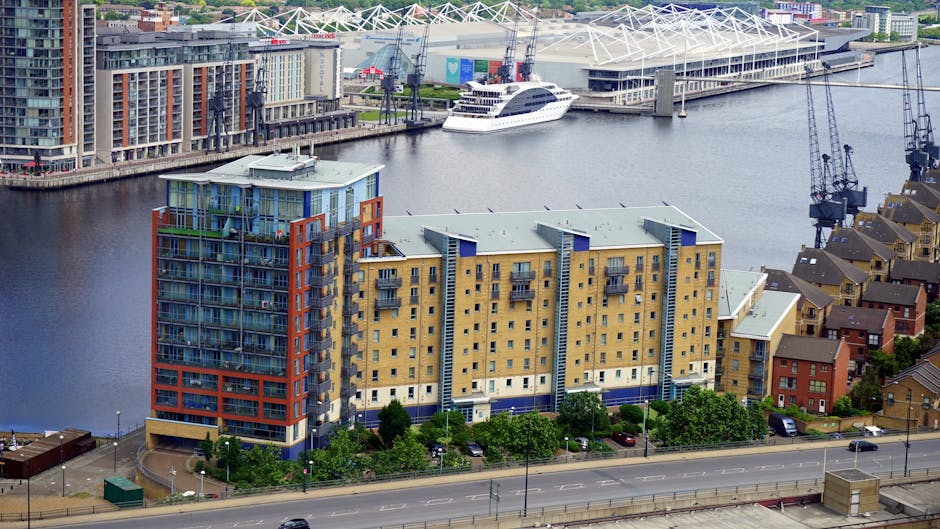
If you are planning a move or a bulky collection around West India Quay, the parking question tends to arrive before the sofa does. That is usually the moment people realise this is not a simple "pull up outside and load" job. A good West India Quay man with van access and parking tips guide can save time, avoid fines, and stop the whole day from turning into a slow-moving headache.
West India Quay sits in one of London's busiest Docklands pockets, where river views, high-rise homes, underground car parks, loading restrictions, and careful building access all overlap. Truth be told, the move may be straightforward, but the access can be the tricky bit. This article breaks down how man and van work in the area, what parking realities to expect, how to plan your arrival, and the small decisions that make a very big difference.
Along the way, you will also find practical steps, a comparison table, and a checklist you can actually use on the day. If you are still in the planning stage, it may also help to look through our services overview and our pricing and quotes page so you can line up the right support before the clocks start ticking.
Why West India Quay man with van access and parking tips matters
West India Quay is not the kind of place where you can assume the nearest curb will be free, wide, or even suitable for loading. There are waterside roads, managed estates, shared access routes, and busy traffic patterns that can all affect how a man with van job is handled. If you do not plan access and parking properly, even a small move can drag on longer than expected.
Why does this matter so much? Because every extra minute spent circling the block is time taken away from loading, carrying, and finishing the move safely. A van that cannot stop near the entrance may require longer carry distances, more trips, and more strain on you and the removal team. Let's face it, nobody wants to be hauling flat-packed furniture across wet paving while watching a parking bay disappear.
There is also the stress factor. Docklands roads can feel calm one minute and awkward the next, especially around building entrances and shared delivery spaces. If you understand the layout in advance, you can make sensible choices: whether to book a smaller van, ask for a helper, pick a quieter time, or arrange temporary loading access. That is the real value here. It is not just about parking. It is about controlling the whole moving experience.
For people moving within the area, the guidance is especially useful when combined with wider Docklands planning advice, such as our local advice on living in Docklands. The more you understand the area's rhythm, the easier it gets to plan a smooth handover.
How West India Quay man with van access and parking tips works
The basic idea is simple: your man and van service needs a safe, legal, and practical place to stop while loading or unloading. In a place like West India Quay, that often means checking a few layers of access rather than just "where can the van park?"
What usually needs checking
- Whether the property has a loading bay, service entrance, or concierge-approved stop point.
- Whether there are time limits for stopping, even for loading.
- Whether the road is single yellow, double yellow, private, or restricted in some other way.
- Whether the van height or length affects which access point it can use.
- How far the walk is from the van to the lift, lobby, or front door.
In many cases, the job works best when the driver knows in advance exactly where to go, who to speak to, and how long they are likely to be there. If the building has a concierge or estate management team, that can be a huge help. If it does not, you will want to be extra precise with instructions. No guesswork. That is where plans go sideways.
A good man with van operator will usually help assess whether the stop is likely to be quick, whether the vehicle can wait safely, and whether there is a better arrival window. If you are dealing with larger household items, it may also make sense to combine the move with furniture removals in Docklands or even a broader house removals Docklands service, depending on the amount you need moving.
In practice, access planning often follows this pattern:
- Confirm the collection or delivery address precisely.
- Check whether the building has loading instructions or time windows.
- Estimate the size and weight of the load.
- Choose a van size that suits both the access route and the furniture.
- Plan the parking stop, carry route, and fallback option.
Key benefits and practical advantages
When access and parking are handled properly, the benefits are obvious. The move gets done faster, there is less lifting across long distances, and the whole operation feels calmer. Small detail, big payoff.
- Less wasted time: The van reaches the right point faster, so loading starts earlier.
- Lower risk of damage: Shorter carry distances reduce the chance of bumping walls, lifts, or door frames.
- Better safety: Clear parking reduces awkward manoeuvres and rushed lifting.
- Cleaner communication: The mover, driver, and building contact all know what to expect.
- Lower stress: Everyone feels more in control when the access plan is clear.
There is also a financial angle, although it is easy to miss. If a job takes longer because parking is poor, you may end up paying for extra time. In some cases, the cost of a little planning is far less than the cost of delay. That is why many people pair access planning with a proper quote discussion through pricing and quotes before they book.
Another advantage is flexibility. A smaller van may fit easier in tighter streets, while a slightly larger vehicle may reduce the number of trips needed. The "best" choice is not always the biggest van. It depends on the property, the stairs, the parking, and how much of the job can be done in one run.
Who this is for and when it makes sense
This kind of planning is useful for a lot more people than you might think. It is not just for full house moves. Far from it.
- People moving into or out of flats at West India Quay.
- Tenants with awkward access, concierge entry, or timed loading.
- Homeowners moving furniture, white goods, or boxed items.
- Students shifting between Docklands and another London area.
- Small businesses moving stock, equipment, or office contents.
- Anyone needing a same-day uplift where the stop must be efficient.
It also makes sense for single-item moves where parking is still the main challenge. A piano, wardrobe, large dining table, or office desk may sound simple enough, but if the van cannot stop close to the entrance, the job gets harder quickly. For heavier or delicate items, you might want to look at specialised support such as piano removals Docklands or a more general furniture removals Docklands option.
If your move is last-minute, the access issue matters even more. On a rushed day, people forget to warn the building, forget to check the bay, and then stand there staring at a locked gate. Happens all the time, to be fair.
Step-by-step guidance
Here is the cleanest way to approach West India Quay man with van access and parking tips without overcomplicating the day.
1. Confirm the exact entrance
Do not assume the main front door is the loading point. Ask whether the property has a rear entrance, service door, or bay that is easier for vehicles. The main entrance may look obvious, but it may not be the practical one.
2. Check building instructions early
If the property has a concierge, estate office, or letting agent involved, ask them about loading rules as soon as you can. Some buildings are relaxed, some are strict, and some are somewhere in the middle, which can be more annoying than strict. You want the practical answer, not the polite one.
3. Measure the carry distance
Walk the route from the parking spot to the flat, lift, or storage room. Count the stairs if there are any. This tells you whether the job is a quick carry or a longer hand-truck operation. It also helps you decide how many people should be on site.
4. Book the right vehicle size
A vehicle that is too big can be awkward to place, especially near managed estates or narrow turning areas. A vehicle that is too small may need extra trips. The ideal choice is the one that balances access, item volume, and timing. If you are not sure, a well-run man with van Docklands service should help you think it through rather than simply upselling the largest vehicle.
5. Time your arrival
Mid-morning and early afternoon often work better than peak commuter periods, but every location has its own pattern. A quieter arrival can mean less traffic, less pressure, and a better chance of finding a usable stopping point. Sometimes five minutes makes all the difference. Seriously.
6. Prepare for the fallback plan
Even good plans meet reality. If the preferred bay is occupied, you need a backup stop point and a clear idea of how far the carry will become. The aim is not perfection. The aim is a controlled adjustment when the original plan changes.
Expert tips for better results
If you want a smoother move, these are the little things that usually help most.
- Share photos of the access route: Pictures of the entrance, road, and kerb are often more useful than a long message.
- Tell the mover about heavy or awkward items: A flight of stairs changes the whole approach.
- Keep the lift free if possible: If the building allows it, reserve time so you are not waiting behind neighbours with a pram and a supermarket trolley.
- Use decent packing materials: Well-packed boxes move faster and safer, especially if the carry distance is longer than expected. Our packing and boxes Docklands page can help if you are still getting organised.
- Protect floors and doorways: A bit of care stops costly scuffs. Simple, but worth saying.
- Keep paperwork and keys handy: Nobody wants to be digging through a tote bag while a van is waiting outside.
One of the most useful habits is to think like the driver for a moment. Where will they stop? Where can they safely turn? What happens if another vehicle is already in the bay? That shift in viewpoint usually solves half the problem before moving day even arrives.
If you are unsure about a building setup, it can be worth speaking to an experienced local team. Our about us page explains more about the sort of Docklands-focused support that helps with real-world access issues, not just the obvious bits.

Common mistakes to avoid
Most access problems are predictable. The same few mistakes keep showing up.
- Not checking parking restrictions in advance: A "quick stop" can still be a problem if it is not a legal one.
- Assuming delivery access equals removal access: One may be allowed, the other may not.
- Underestimating the carry distance: A ten-metre walk feels fine in the abstract and much less fine when you are on item number twelve.
- Booking the wrong size vehicle: Too large can be awkward; too small can mean extra runs.
- Forgetting to tell the building: Concierges and estate teams often appreciate notice, and that can prevent awkward delays.
- Leaving fragile items loose: If the move involves mixed loads, make sure breakables are clearly marked and packed properly.
Another mistake is trying to improvise everything on the day. That works once in a blue moon. Usually it just creates a queue of small problems that all arrive at once. Not fun.
Tools, resources and recommendations
You do not need fancy equipment, but a few practical tools make a West India Quay job far easier.
- Moving blankets and straps: Useful for protecting furniture and securing loads.
- Box trolleys or sack trucks: Helpful when the route from van to door is longer than expected.
- Labels and markers: Simple labelling saves time at both ends.
- Phone photos: A quick picture of the parking area is often better than a vague description.
- Building contact details: Keep concierge or estate office numbers close to hand.
For people not moving straight into their new place, storage can be an excellent pressure valve. It gives you breathing room if access times, completion dates, or key collection are not lining up neatly. If that sounds familiar, have a look at storage Docklands.
And if you are deciding between a lighter man and van setup or something broader, our man and van Docklands page may help you compare the level of support you need.
Law, compliance, standards, and best practice
For local moves, the main thing is to follow the parking rules that apply to the street or estate, and to avoid unsafe loading practices. In London, that means paying attention to signage, time restrictions, permit requirements, and private property rules. If a bay is for residents only or loading only within set hours, you should treat that seriously.
There is also a practical safety side. Loading and unloading should be done without blocking visibility, footways, or emergency access. Vehicles should not be left in a position that creates unnecessary risk for pedestrians or other road users. The safest approach is usually the simplest one: stop where permitted, keep the route clear, and move efficiently.
It is also wise to work with a provider that takes safety and process seriously. If you want to know how a professional team approaches these jobs, our health and safety policy and insurance and safety pages set out the kind of standards you should expect from a responsible removals company.
For customers who care about wider operational standards, the same attention to detail should apply to handling, staffing, and service conduct. Even small jobs deserve that level of care. Especially in busy parts of Docklands, where a rushed shortcut can become a costly problem very quickly.
Options, methods, or comparison table
If you are trying to decide how to handle a West India Quay move, it helps to compare the main approaches. There is no single perfect choice; it depends on volume, access, timing, and budget.
| Option | Best for | Pros | Watch-outs |
|---|---|---|---|
| Small man and van | Single items, light flat moves, flexible stops | Easier parking, lower footprint, quick to organise | May need more trips if the load is larger than expected |
| Standard van with helper | Typical flat moves and mixed household loads | Good balance of capacity and manoeuvrability | Still needs a sensible loading point and clear route |
| Household removal team | Full or near-full home moves | More manpower, more structure, less heavy lifting for you | Usually more planning needed, especially around access |
| Same-day removal support | Urgent jobs, late changes, unexpected collection windows | Fast response, practical problem-solving | Access must be confirmed quickly to avoid delay |
If you are comparing service styles, a good next step is to review man with a van Docklands, man with a van Docklands, and broader removal services Docklands support. The right option is usually the one that matches both the access and the load, not just the price tag.
Case study or real-world example
Imagine a tenant leaving a riverside apartment near West India Quay on a weekday morning. The flat is on an upper floor, the lift is shared, and the nearest curb space is often occupied by service traffic. The tenant has a bed frame, several boxes, a small desk, and a few kitchen items. Nothing outrageous. But if the van arrives without a parking plan, the job can easily lose thirty minutes just finding a workable stop.
Here is how a well-planned move usually plays out. The customer confirms the building entrance the day before, checks whether the concierge can allow a short loading stop, and sends a couple of photos of the access road. The mover arrives in a vehicle that can manage the road without awkward manoeuvring. A second person helps with the heavier items, the lift is ready, and the load is out in one efficient run. No drama. No circling. Just done.
Now compare that with the improvised version. The van arrives, the stop is uncertain, the driver has to go around the block twice, and the customer is still searching for keys. The load is not complicated, but the day becomes awkward. That is the difference access planning makes. It is not glamorous, but it is the bit that keeps a move civilised.
For anyone moving between Docklands properties, this kind of preparation also fits nicely with more general local knowledge, like our Docklands property buying process guide and broader Docklands district insights. Different topic, yes, but the same lesson: local detail matters.

Practical checklist
Use this checklist before the van arrives. A few minutes now can save a lot later.
- Confirm the exact address, entrance, and postcode.
- Ask the building about loading bays, bays for residents, or timed access.
- Check for height limits, turning restrictions, and one-way roads nearby.
- Decide where the van will stop and what the backup stop will be.
- Measure or estimate the carry distance from van to door.
- Share photos of the access route if possible.
- Pack fragile items securely and label boxes clearly.
- Keep keys, phone numbers, and any building permissions together.
- Plan for lift use, stair use, or both.
- Allow a little extra time if the building is busy or the stop is tight.
If you are also moving office items, equipment, or archive boxes, the same logic applies. In those cases, office removals Docklands may be more suitable than a simple uplift, especially if timing and access need more coordination.
Expert summary: The best West India Quay moves are rarely the ones with the biggest vans. They are the ones where access is checked early, parking is realistic, and the load plan fits the building rather than fighting it.
Conclusion
West India Quay man with van access and parking tips are really about one thing: turning a potentially awkward move into a controlled, calm, and efficient job. Once you understand the access pattern, the parking rules, and the building's own quirks, the whole process becomes much easier to manage. It does not need to be complicated, but it does need attention.
The good news is that most problems are avoidable. A little planning, a few photos, the right van size, and a sensible arrival window can make a genuine difference. That is especially true in Docklands, where the right stop point can save both time and energy. And honestly, on moving day, that is worth its weight in tea.
Get a free quote today and see how much you can save.
When you are ready to make the move simpler, choose a team that understands the local roads, the building access issues, and the real-life pressure of getting everything done without fuss. A smooth move is still possible. You just need the right plan, and a bit of patience.